Millennial Campus
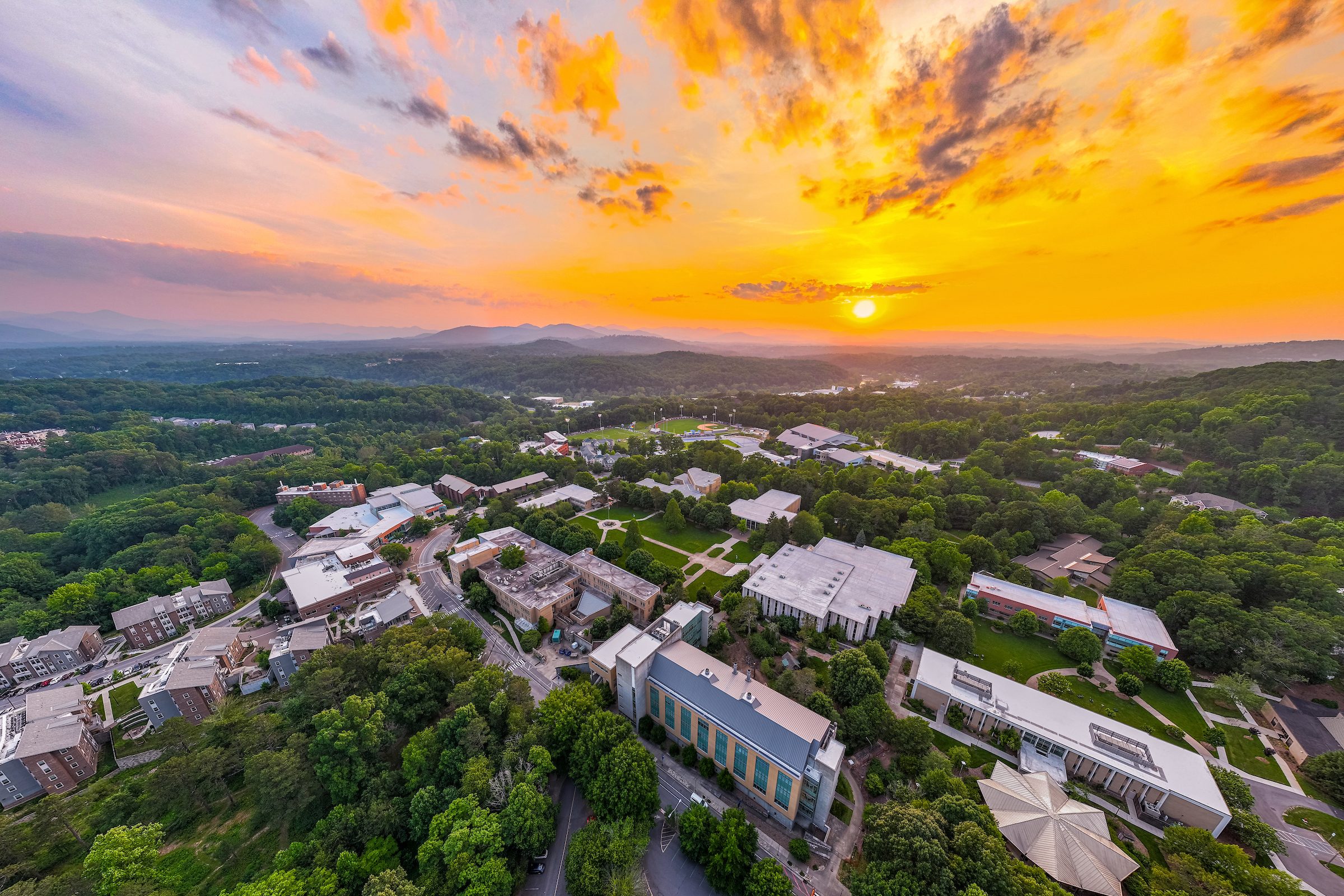
UNC Asheville Millennial Campus
As part of Asheville 2030, UNC Asheville is evaluating the future potential of its Millennial Campus properties to better understand how these assets could support the University’s long-term sustainability, mission, and competitiveness. This includes two tracts on the south end of campus located on either side of Broadway Street.
The Millennial Campus designation allows UNC System institutions to explore carefully structured public-private partnerships that align with institutional priorities, strengthen financial capacity, and support long-term sustainability while remaining consistent with the University’s academic and public mission.
The Millennial Campus Designation
Established by the North Carolina General Assembly in 2000, the Millennial Campus designation provides UNC System institutions with the ability to strengthen the student experience inside and outside the classroom and enhance the economic development of the regions served by UNC System institutions.
That designation, as outlined in The Centennial Campus, the Horace Williams Campus, and the Millennial Campuses Financing Act “shall be based on an express finding by the Board of Governors that the institution desiring to create a ‘Millennial Campus’ has the administrative and fiscal capability to create and maintain such a campus and provided further, that the Board of Governors has found that the creation of the constituent institutions or affiliated institution’s ‘Millennial Campus’ will enhance the institution’s research, teaching, and service missions as well as enhance the economic development of the region served by the institution.”
How the Evaluation of Properties Will Work
A structured, mission-aligned review.
As part of Asheville 2030, UNC Asheville is undertaking a structured evaluation of its Millennial Campus properties to better understand how these University-owned assets could support long-term sustainability while remaining grounded in the institution’s academic mission and public purpose.
Recommendations from a Development Advisory Committee.
This work is being guided by recommendations from an independent Millennial Campus Development Advisory Committee, which operates independently from the University’s administration. Committee members were selected for their experience and knowledge, including deep familiarity with the University, the Asheville region, environmental considerations, and planning and development.
The University is also working with HR&A Advisors, a nationally recognized real estate and urban development consulting firm, to support the Committee’s assessment and help ensure a rigorous, well-informed process.
A multi-month evaluation process.
Over the course of a number of months, the Committee will examine potential uses across UNC Asheville’s Millennial Campus properties, considering academic priorities, financial stewardship, environmental context, and long-term institutional needs. This work includes reviewing relevant financial, legal, and planning information; gathering input from campus and community stakeholders, and looking at best practices from other institutions.
Informing future decisions.
At the conclusion of the evaluation, the Committee will deliver a set of findings and recommendations to the University. These recommendations will help inform future decision-making.
Millennial Campus Development Advisory Committee
In January of 2026, the University announced the formation of the Millennial Campus Development Advisory Committee, a group charged with making recommendations for future development on the University’s Millennial Campus properties. The Committee’s role will be to support a thoughtful, transparent evaluation of options that can help ensure UNC Asheville’s long-term sustainability and future.
Committee Mission and Scope
Working with HR&A Advisors, Inc., a nationally prominent urban development consulting firm engaged by the University, the Committee will:
- Explore, understand, and articulate the University’s needs and aspirations for future development of the Millennial Campus Property.
- Gather input from the University community, city residents and businesses, and stakeholders across the region on priorities and concerns related to UNC Asheville’s future and the Millennial Campus expansion.
- Develop a clear set of recommendations and an Action Plan to guide development of the Millennial Campus Property, including a compelling vision for the site; guiding priorities; preferred uses; urban design and siting guidance; and identified milestones, responsibilities, and engagement points throughout the development process.
The Committee is expected to meet monthly through May 2026, with each session structured as an intensive workshop. Following the final workshop, HR&A Advisors will synthesize the Committee’s recommendations into the Millennial Campus Action Plan, which will be delivered to the University for review and action.
Committee Members
Committee members were thoughtfully selected for their knowledge—whether it’s a deep understanding of the University, of the city of Asheville and the region, of environmental issues, or of planning and development.
Peter Heckman – Former President and CEO, Horace Mann Educators Corporation; Vice Chair, UNC Asheville Board of Trustees
Adam Walters – Assistant Director, Pappas Real Estate Development Program, NC State University; UNC Asheville Alumnus
Lou Bissette – Of Counsel, McGuire Wood & Bissette P.A.; Former Mayor of Asheville; Former Chair of UNC’s Board of Governors; Trustee, UNC Asheville
Kelly Davis – Vice President of Mortgage Lending, Park National Bank; Secretary, UNC Asheville Board of Trustees
Stephen De May – Former North Carolina President, Duke Energy Corporation; Trustee, UNC Asheville
Victoria Isley – President & CEO, Explore Asheville / Buncombe County Tourism Development Authority
Keith Krumpe – Interim Dean of Humanities, Arts, and Social Sciences; Senior Administrator of Space Planning, UNC Asheville
Rick Lutovsky – Former CEO, Asheville Area Chamber of Commerce
Lakesha McDay – President, The Moriah Group; UNC Asheville Alumna
Chuck McGrady – Former Executive Director of the North Carolina Youth Camp Association; Former National President of the Sierra Club; Former North Carolina State Representative
David Meyer – Senior Financial Advisor & Managing Director, Wells Fargo; Trustee, UNC Asheville
James Peterson – Former CEO, Metroquip
Nathan Ramsey – Executive Director, Land of Sky Regional Council; UNC Asheville Alumnus
Charles Tessier – Director of Planning, Development, and Special Projects, Tessier Real Estate Consulting
Committee Meeting Summaries
Share Your Perspective on the Future of the Millennial Campus Properties
Share Your Perspective on the Future of the Millennial Campus Properties
Community input is an essential part of the Millennial Campus Development Advisory Committee’s work. We invite anyone who wishes to share their ideas, concerns, or suggestions to do so through our online feedback platform. Your comments will help inform the Committee’s recommendations.
UNC Asheville’s Millennial Campus Properties
South Campus | Broadway Property
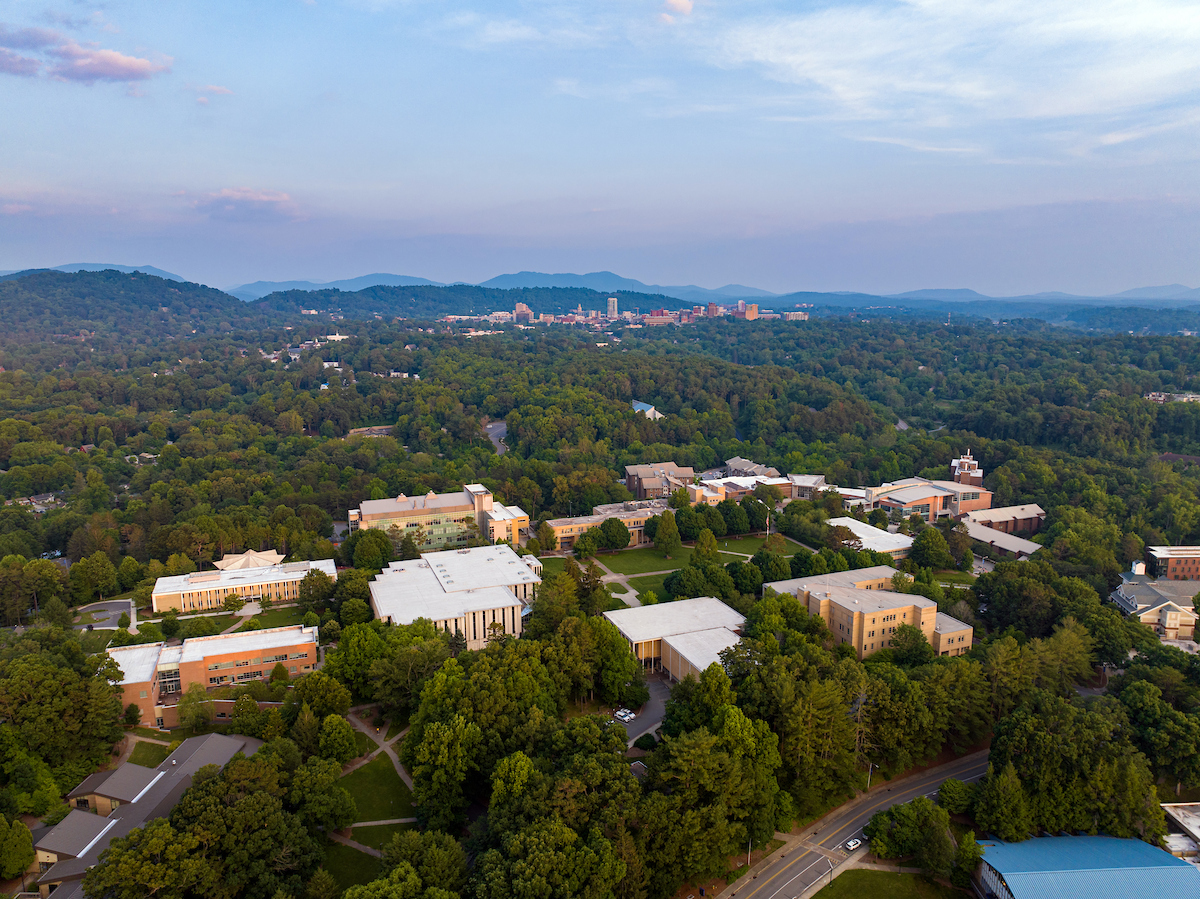
Pictured are UNC Asheville’s main campus and South Campus, with the City of Asheville in the background.
UNC Asheville is actively exploring long-term opportunities for its South Campus and Broadway Property as part of its broader Millennial Campus planning efforts. These properties present an important opportunity to strengthen the University’s financial sustainability while enhancing the student experience and contributing to the vitality of the surrounding community. The University is carefully evaluating potential development concepts that could generate meaningful non-tuition revenue over time and align with UNC Asheville’s strategic priorities, including supporting recruitment and retention, expanding student amenities, and creating community-serving spaces.
Asheville Botanical Garden
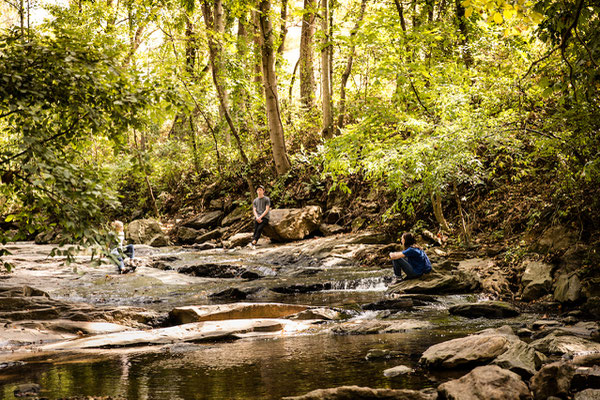
Established in 1960, the Asheville Botanical Garden showcases native plants of the Southern Appalachian region and serves as a living classroom and urban destination for students, educators, and the broader public. UNC Asheville and the Asheville Botanical Garden are currently engaged in positive and productive conversations to extend the existing lease and deepen the collaborative relationship between our institutions. Both parties are committed to ensuring that the Botanical Garden remains protected, thriving, and open to the community for generations to come.
Chestnut Ridge
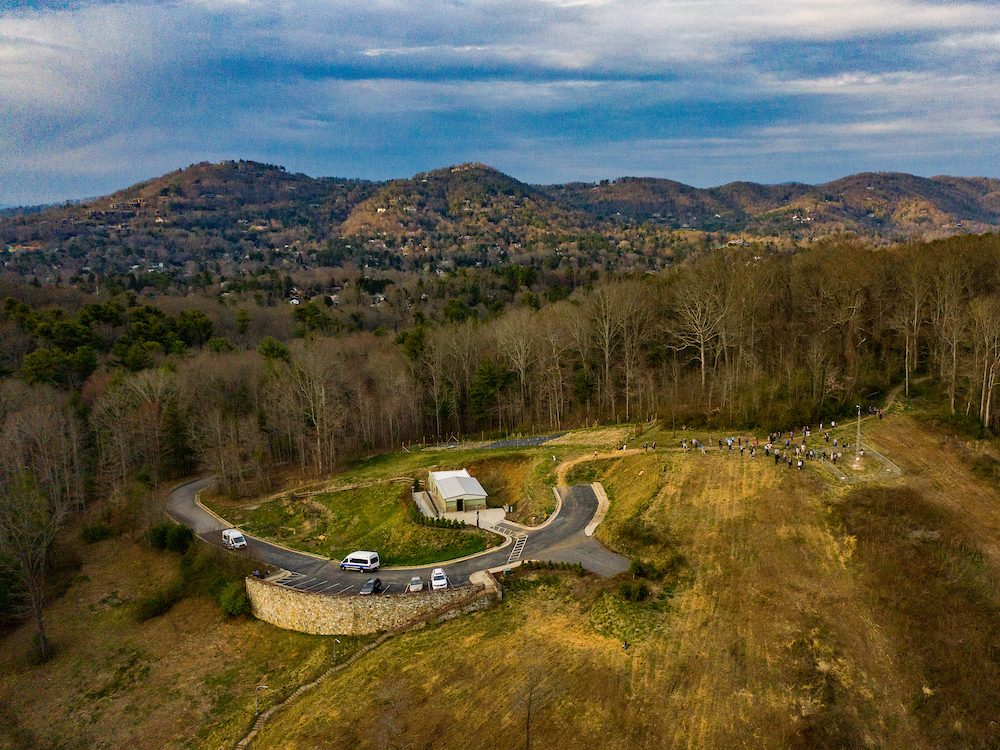
This property is located next to Lookout Observatory.
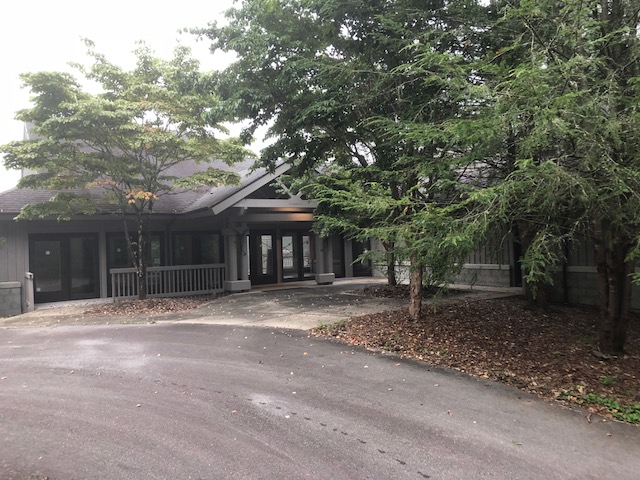
Kellogg Center
The Kellogg Center, a UNC Asheville property located at 1181 Broyles Road in Hendersonville, N.C., includes two buildings suitable for classes and conferences and 46.3 acres of beautiful land including forest and field trails, complemented by natural and man-made art.
In summer 2021, UNC Asheville entered into a use agreement for the Kellogg Center with Wild Oak Independent School, which enrolls PreK through 6th grades. Prior to that, the facilities were used by the YMCA of Western North Carolina, which hosted an after-school child care program at the facility starting in August 2018.
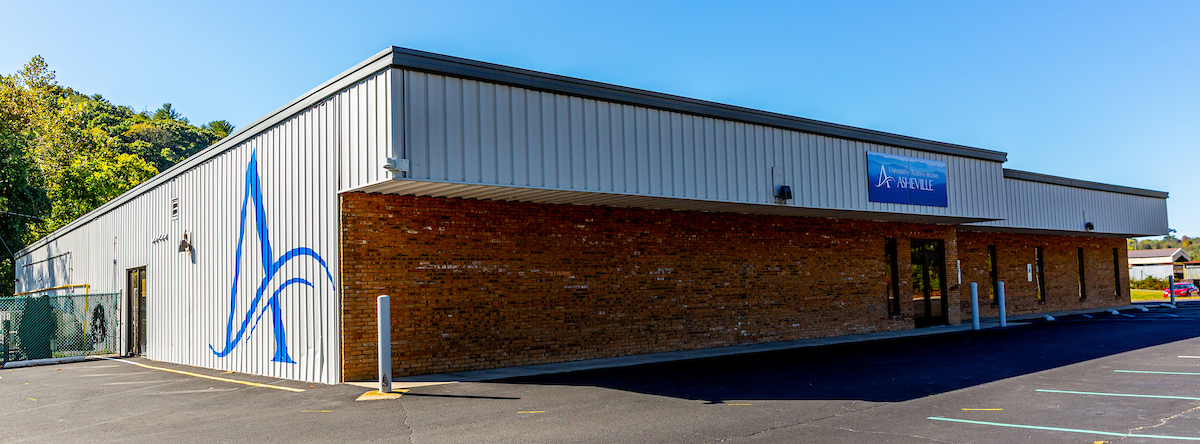
Riverside Drive Properties
Prior to sustaining extensive damage during Helene, the property at 838 Riverside Drive formerly served as the women’s golf team practice facility and housed the University’s Transportation & Parking Services department.
The University’s warehouse, located at 1414 Riverside Drive, is used for storage of surplus furniture, equipment, and other items.
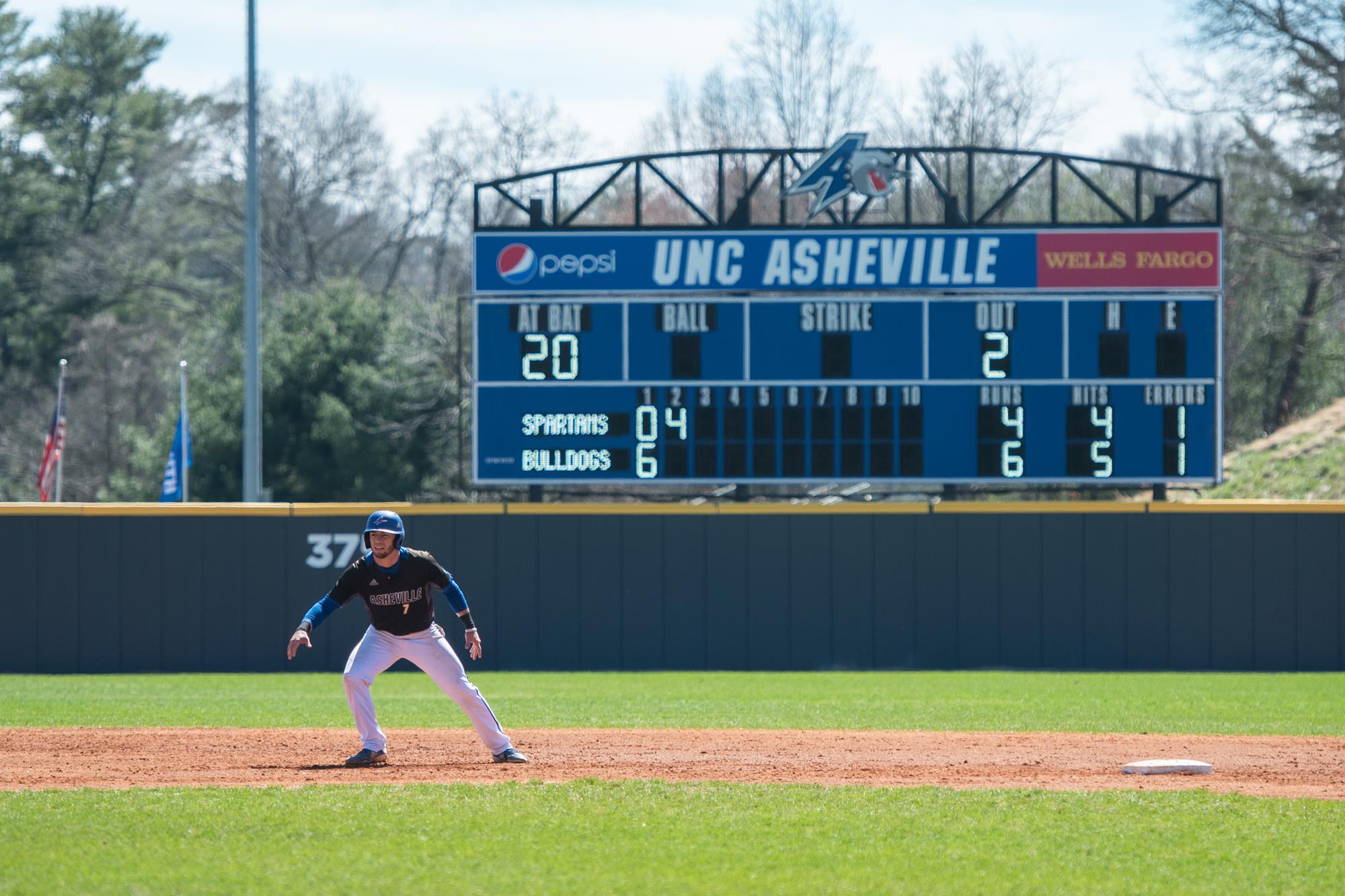
Athletic Complex
The Athletic Complex includes Greenwood Baseball Field, Greenwood Soccer Field, Karl Straus Track, and the Sam Millar Facilities Complex.
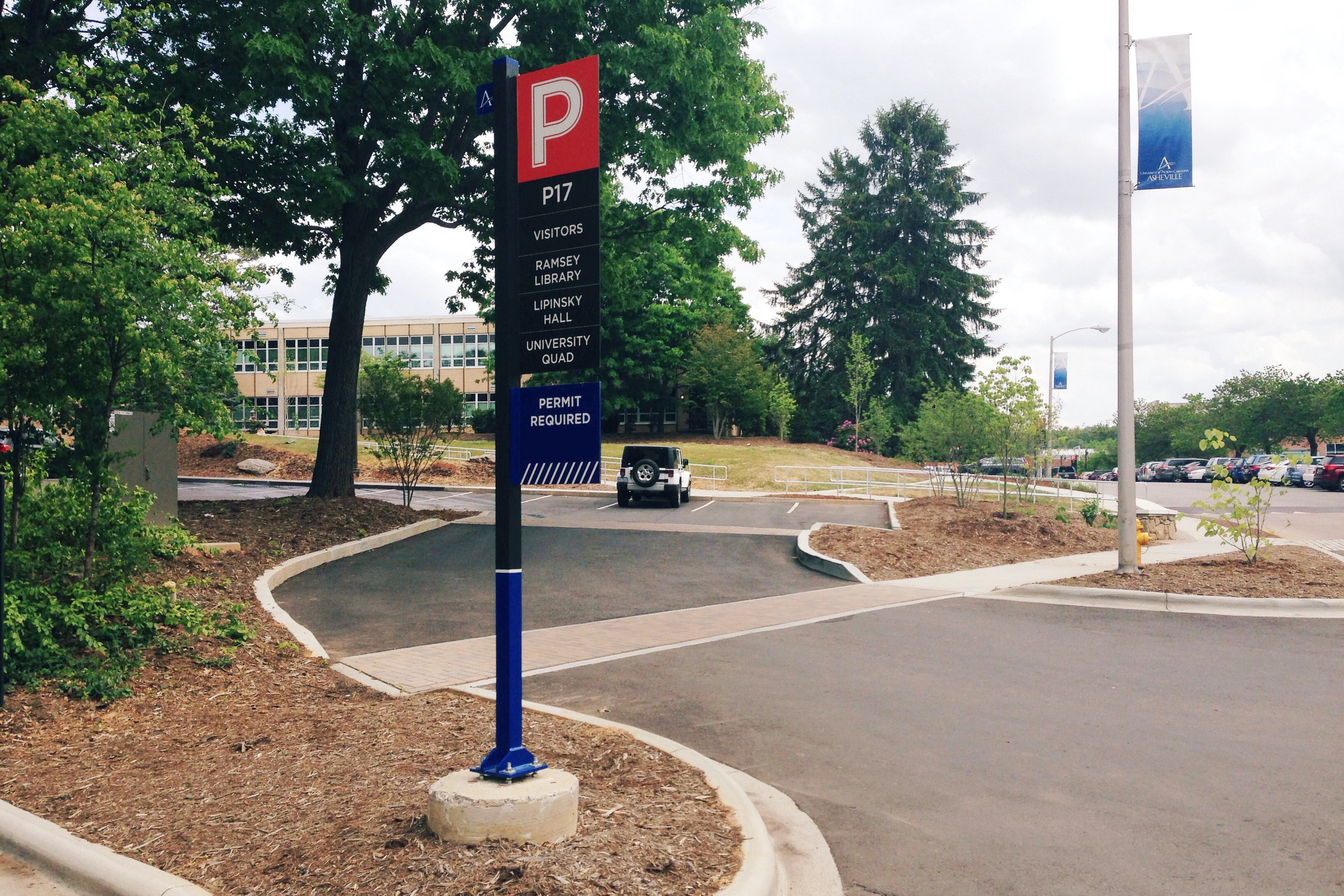
Parking Lot P8
Parking Lot P8 is one of the University’s non-resident student parking lots.
FAQs
Millennial Campus Questions
A Millennial Campus is a distinct designation for real property and associated facilities, separate from the main campus, as defined by the UNC System.
Its goal is to foster collaborations between the university, industry, and the community, leading to innovation, economic growth, and cultural enrichment.
Millennial Campuses are intended to strengthen the university’s research, teaching, and service missions, while also contributing to regional economic development.
It can be university property as well as properties owned by constituents to the university.
The designation gives the university the flexibility to enter into agreements with private sector firms to develop the properties, facilitates issuing bonds to finance development of the properties, and allows the university to keep all revenues related to leasing agreements.
Examples include housing and mixed use developments at Appalachian State University, North Carolina State University, UNC Greensboro, and Western Carolina University. The table below gives a summary of system wide properties in millennial campus areas.
| Institution | Number of Buildings | Estimated Total Square Feet (SF) |
|---|---|---|
| Appalachian State University | 80 | 3,718,196 |
| East Carolina University | 55 | 2,286,739 |
| NC Central University | 12 | 771,392 |
| NC State University | 134 | 7,623,837 |
| UNC Asheville | 29 | 277,825 |
| UNC Chapel-Hill | 117 | 1,950,057 |
| UNC Charlotte | 76 | 3,362,722 |
| UNC Greensboro | 42 | 2,094,081 |
| UNC Wilmington | 46 | 1,913,291 |
| Western Carolina University | 17 | 1,183,190 |
| UNC System | 16 | 540,336 |
Revenues generated for the university by Millennial Campus properties can be reinvested into activities within the Millennial Campus. Since many of UNC Asheville’s facilities are located on properties with the Millennial Campus designation, revenues can be used to offset expenses currently being covered by other sources. In other words, revenue generated by Millennial Campus properties will allow UNC Asheville to reallocate resources to critical areas that serve our mission, such as instruction, student success, and the student experience.
All Millennial Campus projects are approved by the UNC Board of Governors.
UNC Asheville's Millennial Campus
Approximately 211 acres.
The UNC System Board of Governors approved UNC Asheville’s Millennial Campus designation in April 2021.
The Millennial Campus initiative is an opportunity to build a future of hope and prosperity for our campus and the community while addressing critical needs and diversifying our revenue streams.
It is imperative that we address student housing demand. Over 1,000 of our students live within a mile of campus, and more students are asking to move back on campus. We must also build a vibrant student life experience with amenities and opportunities for students to gather, access restaurants and retail, and attend events.
Millennial Campus property development is also an effort to respond to financial pressures facing the University and indeed, higher education across the country, including enrollment declines and funding uncertainties. It is part of a strategy to enhance financial sustainability and expand community impact without burdening the university’s budget.
No decisions have been made about selling or developing any specific property. The Committee’s role is to evaluate options and make recommendations. Any future actions would follow the University’s review and approval processes.
Millennial Campus Planning
No. The purpose of the Millennial Campus Development Advisory Committee is to evaluate options and develop recommendations. All Millennial Campus properties are being considered, and no development decisions have been finalized.
Committee members were selected for their deep understanding of the UNC Asheville, the Asheville region, environmental considerations, and planning and development. The composition of the group, which is operating independently from the University administration, is designed to allow the Committee to move efficiently as it gets a wide range of input.
The Committee is expected to meet monthly from January through May 2026. Following that work, HR&A Advisors will synthesize the Committee’s recommendations into an action plan for the University’s review.
The Committee’s meetings are designed as working sessions to support candid, productive discussion among members. This structure allows the Committee to review confidential materials and discuss sensitive financial, legal, and planning considerations openly and responsibly. That said, the Committee will provide summaries of its meetings to the public, and the University is committed to gathering feedback through other ways.
After the Committee concludes its meetings, HR&A Advisors will synthesize the findings into a recommended action plan. That plan will be evaluated by the University, and any next steps will follow established governance and approval processes.
Latest News & Updates
Stay up to date with the most recent developments, community conversations, and official announcements related to the Millennial Campus planning process.
UNC Asheville Announces Millennial Campus Development Advisory Committee to Guide Planning for University Properties
UNC Asheville has launched a Millennial Campus Development Advisory Committee to guide thoughtful planning and future development of over 200 acres of University property, ensuring community input, long‑term sustainability, and alignment with the institution’s mission.